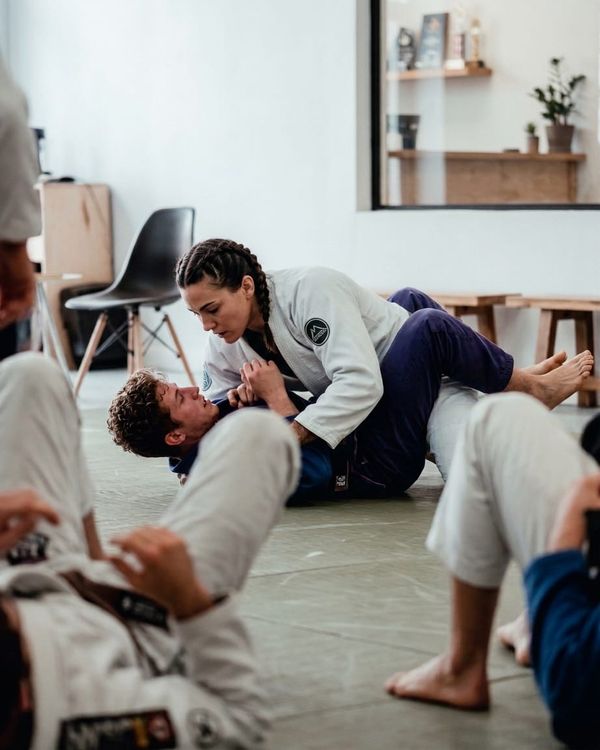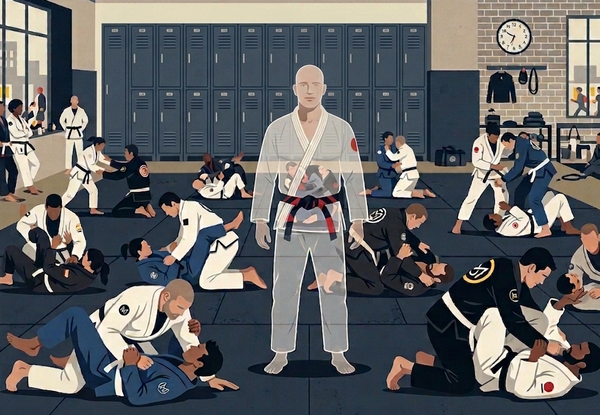
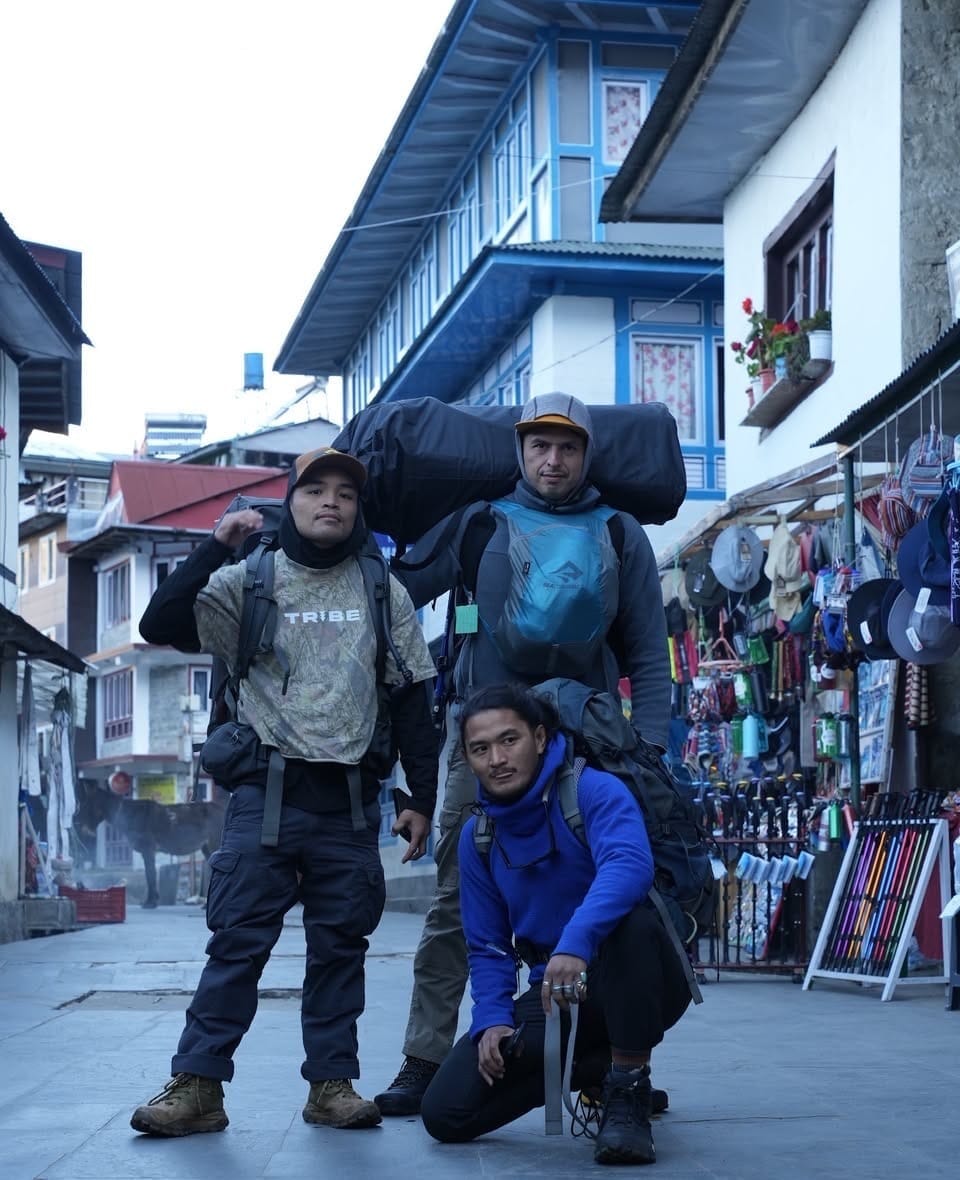
When we talk about taking Jiu-Jitsu outside the walls of the academy, few take the sentiment as literally as Hawaiian adventurers Dill, Bran, and Orlando of the Tribe Collective.
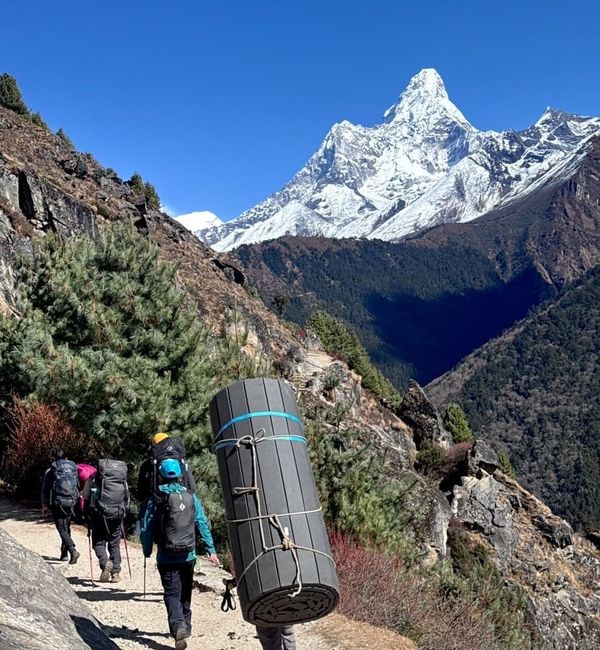
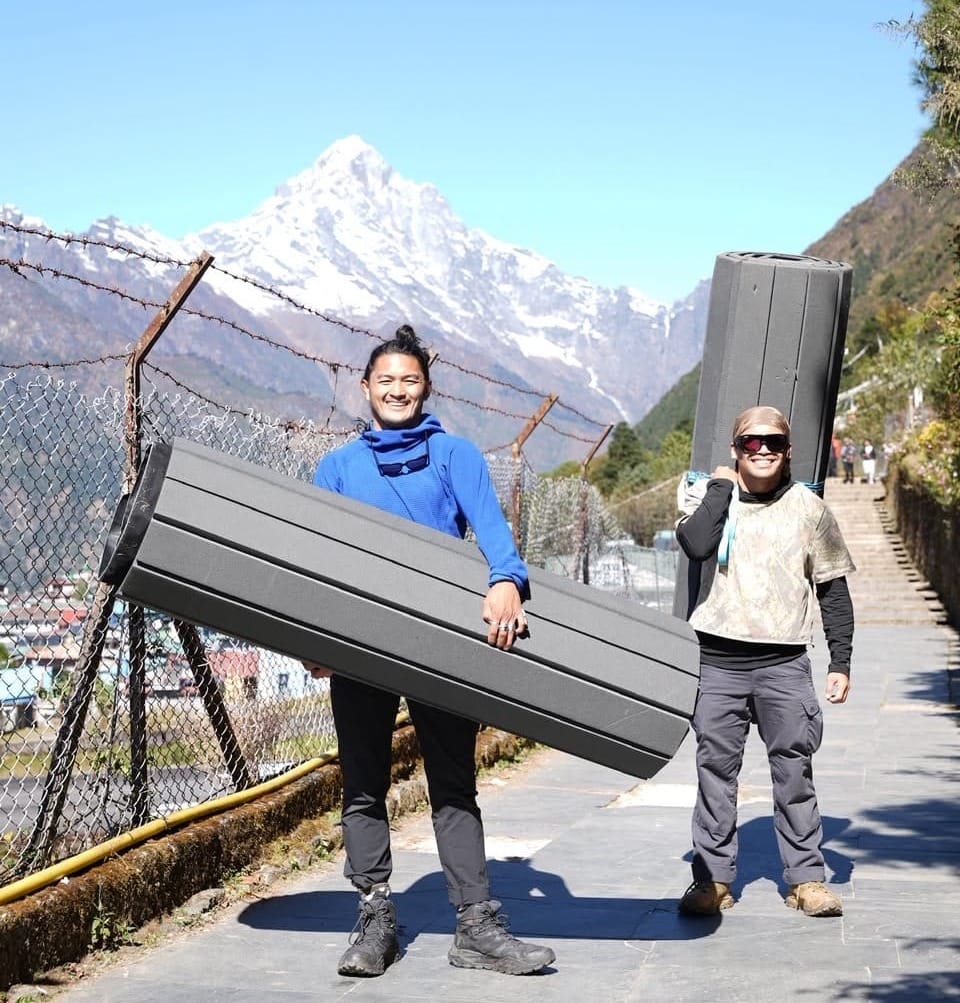
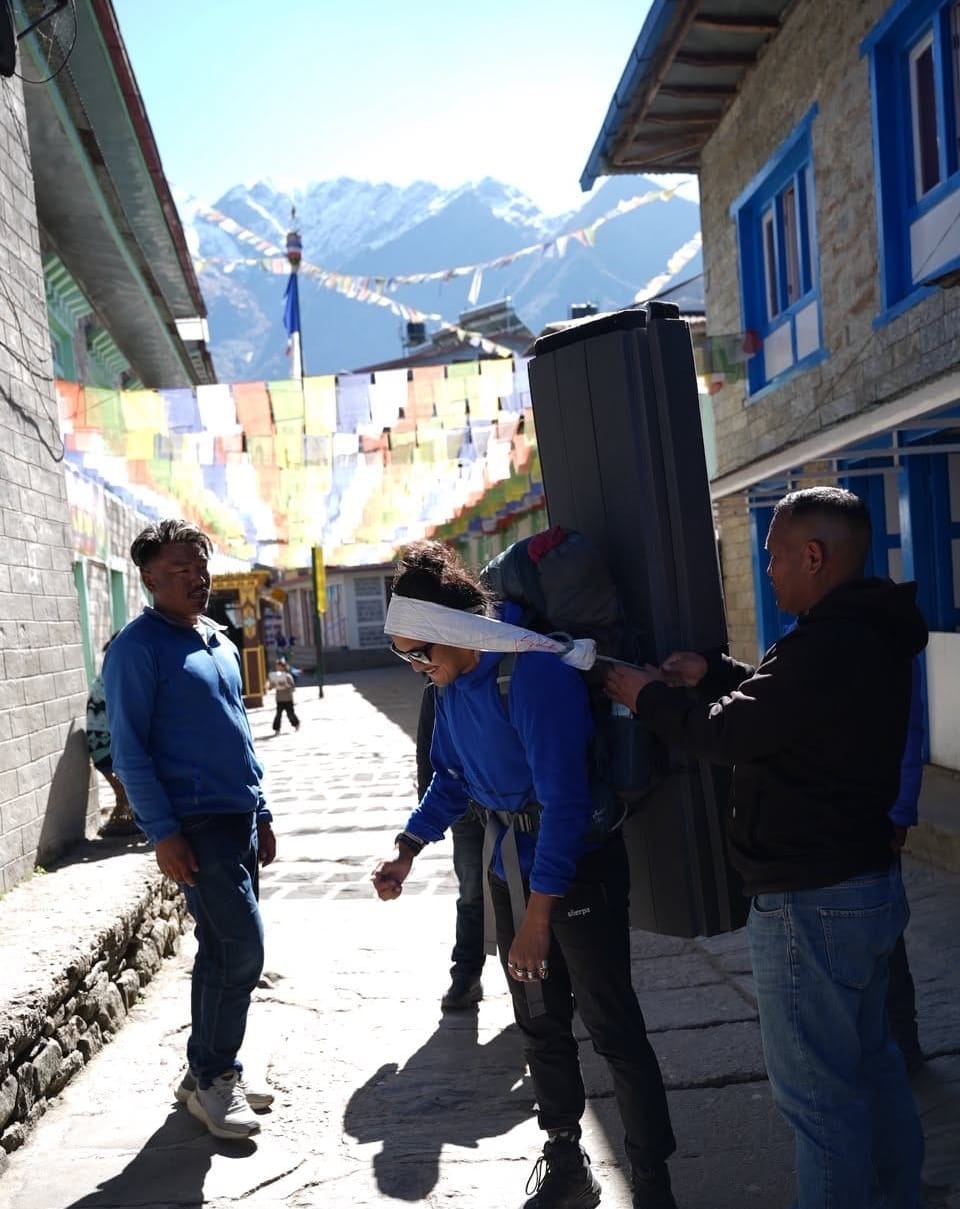
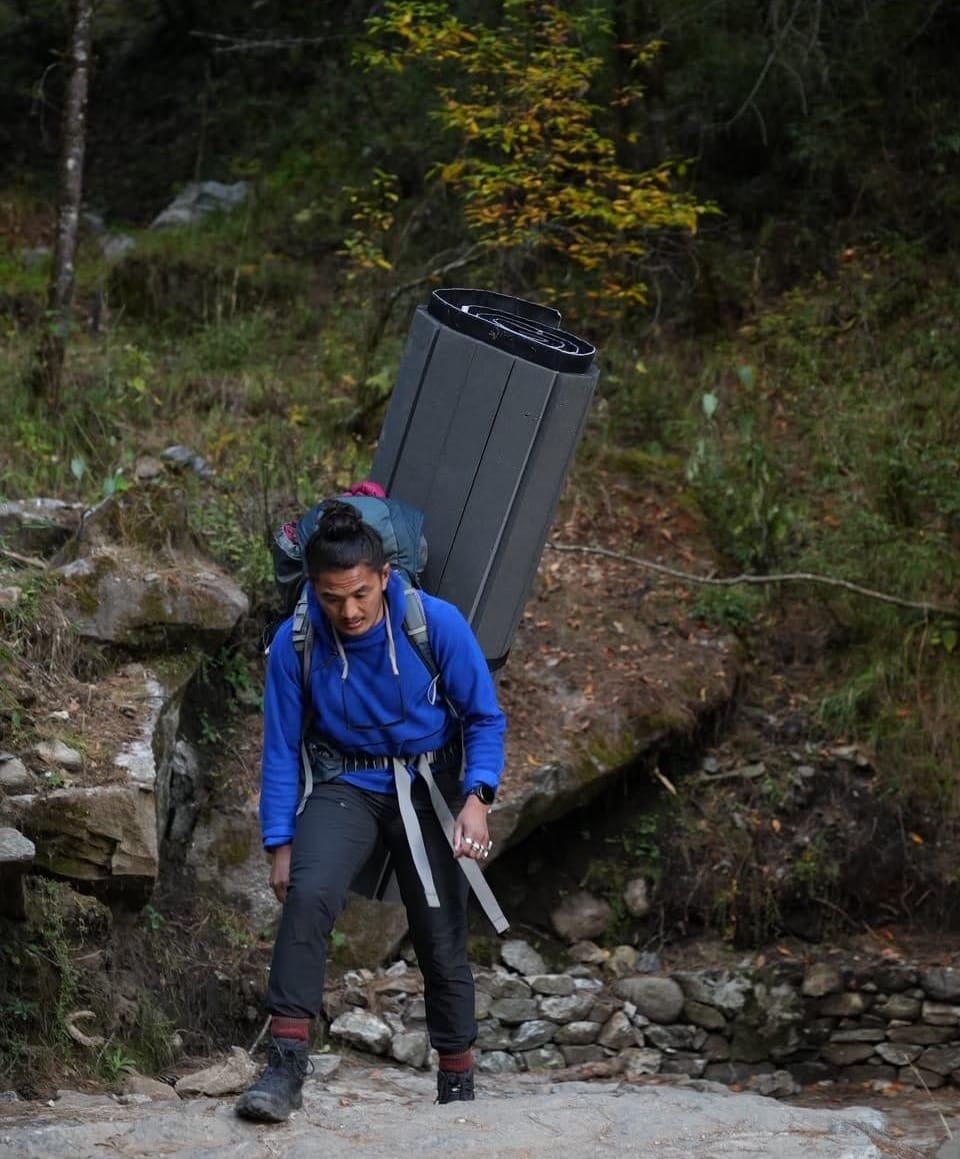
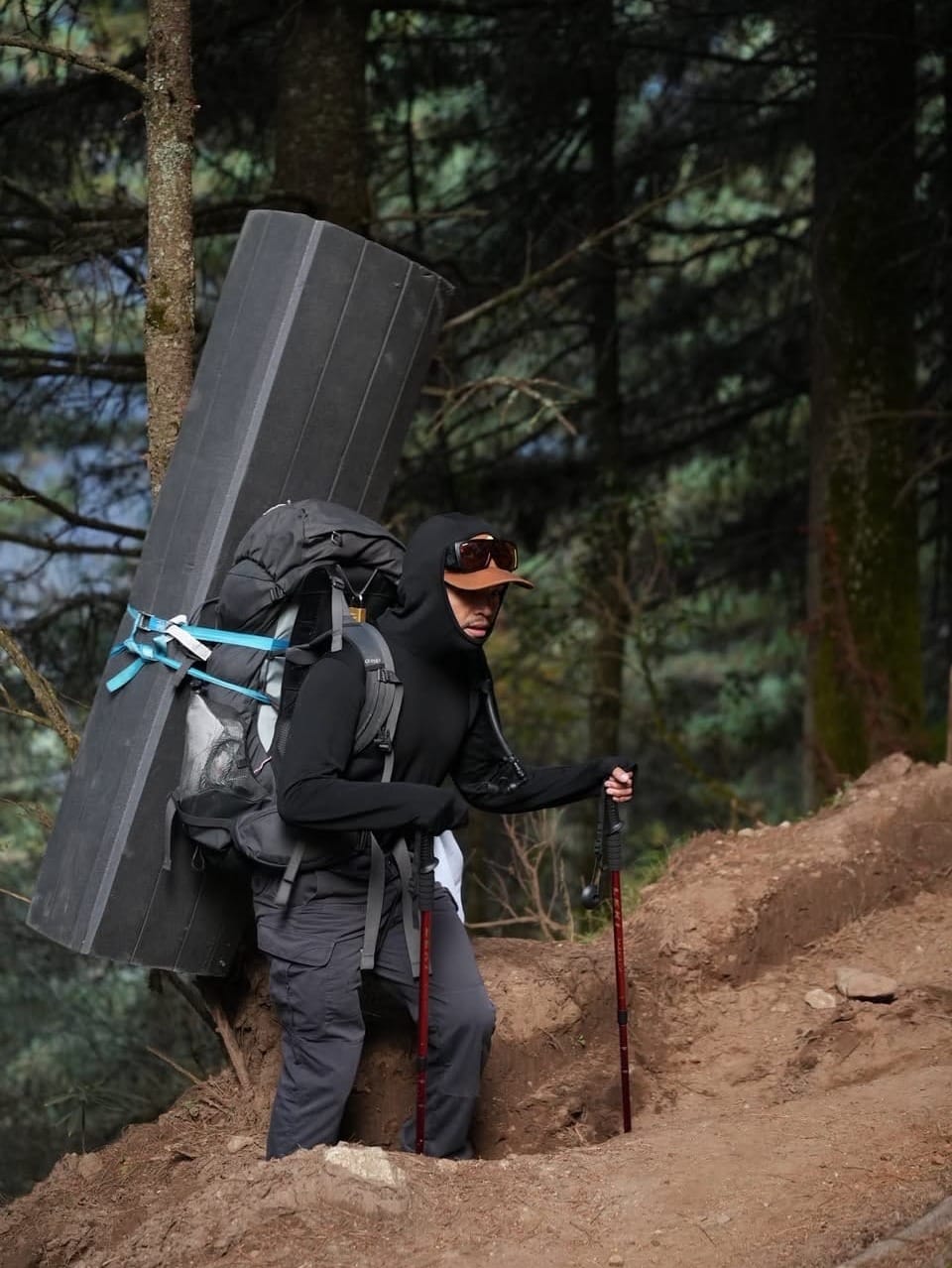
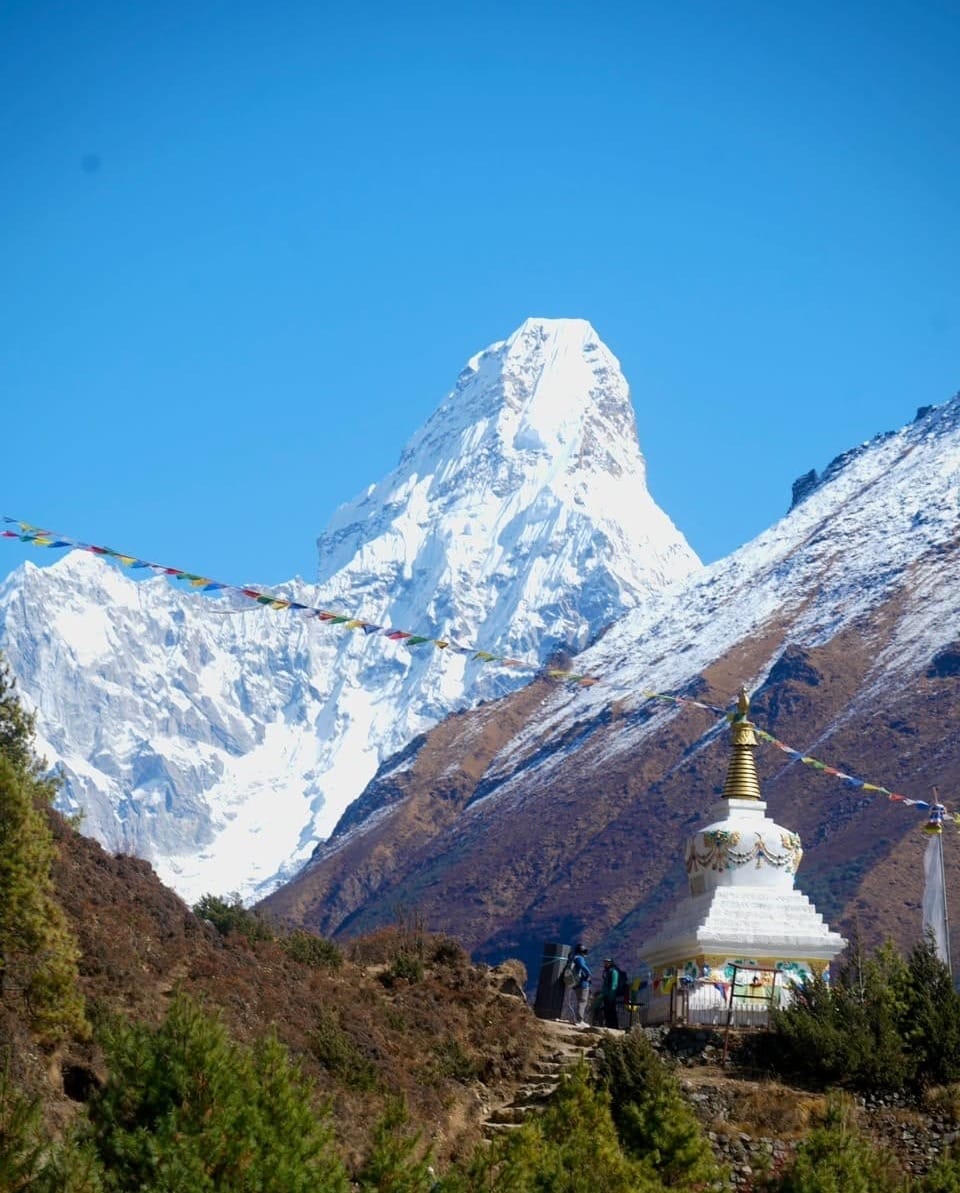
Founded on a mission to provide athletes facing disconnection a community-centered approach to health, wellness, and adventure to lead a more fulfilling life, the team took their vision to extreme heights. Strapping mats to their backs through the cold, low-oxygen terrain of the Himalayas, they are currently making their way to Everest Base Camp to host the highest open mat in history. Here, we speak to Dill from the trail about the physical tolls, logistical hurdles, and core philosophy driving their epic expedition.
What was the exact moment or spark that made you say, “I’m taking mats to Everest Base Camp”?
The Tribe Collective has been doing tours to Everest Base Camp for over five years, and the co-founders of the Tribe Collective are both purple belts. We decided to integrate our love of the mountains and the love of Jiu-Jitsu together for the first time at Everest Base Camp. In Hawaii, we do open mats in nature—on top of mountains, at beaches, and in parks. We just wanted to do what we love to do.
What was the hardest part about organizing the logistics and training for high altitude before stepping foot on the mountain?
The hardest part about this whole trip has been fundraising. We organized dozens of fundraisers throughout the year to make this trip become a reality. We reached out to many sponsors, many businesses, and organizations, as well as individuals to find the funds to make this happen. It’s not cheap to be here—it’s not cheap to eat, let alone hotels and flights. Water itself is very expensive at higher altitudes. It was a logistical nightmare trying to travel with our mats across the world.
What’s been the biggest physical or mental challenge on the trek so far?
Our biggest challenge on this trek has been staying healthy. Altitude sickness is real. Food poisoning is real, especially as Americans with a stomach that can’t always handle Nepali food and water. The trek itself is demanding. The frigid cold is demanding. Being away from family and friends is demanding. Not having American luxuries like hot water and warm beds is demanding.
What are you most excited (or nervous) about for the actual open mat once you reach Base Camp?
The open mat itself will be a challenge, since it can get as low as -30°. We’re going to wait until the warmest part of the day to do it. The altitude of 17,500 feet makes oxygen very, very low, and so rolling hard will be a challenge.
How are fellow trekkers, guides, or locals along the route reacting when they find out what you are carrying?
Surprisingly, the Everest region of Nepal holds a lot of judo athletes, so they’re not surprised to see the mats. But a lot of people in the Everest region of Nepal do not know what Jiu-Jitsu is. When they ask us why we are carrying mats, we just say that they’re for judo so that we can avoid a long explanation.
At its core, what’s the main takeaway you hope people get from seeing this come to life?
We want to show the world that Jiu-Jitsu can be done outside of the gym in the most beautiful places with friends. We also want to show the world what it means to have a real community—people who support and push each other to be their best version of themselves. By taking Jiu-Jitsu to Everest, we hope to show that with strong support, community and great friends, even seemingly impossible tasks become achievable.
Follow their journey on instagram at:
@tribe.hawaii
@dill_daddy
@branperez
@orlando_gloom
https://www.tribehawaii.com
Written by