The Ghost of San Jose
He was a genius on the mats, but his success never translated to life outside the gym. Today, he is remembered as both a pioneer of American Brazilian Jiu-Jitsu and a tragic example of wasted potential.

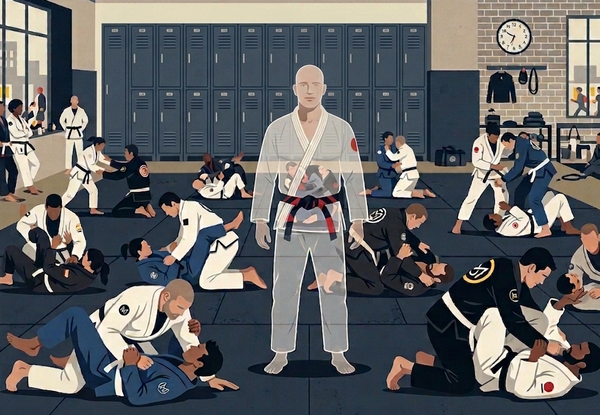
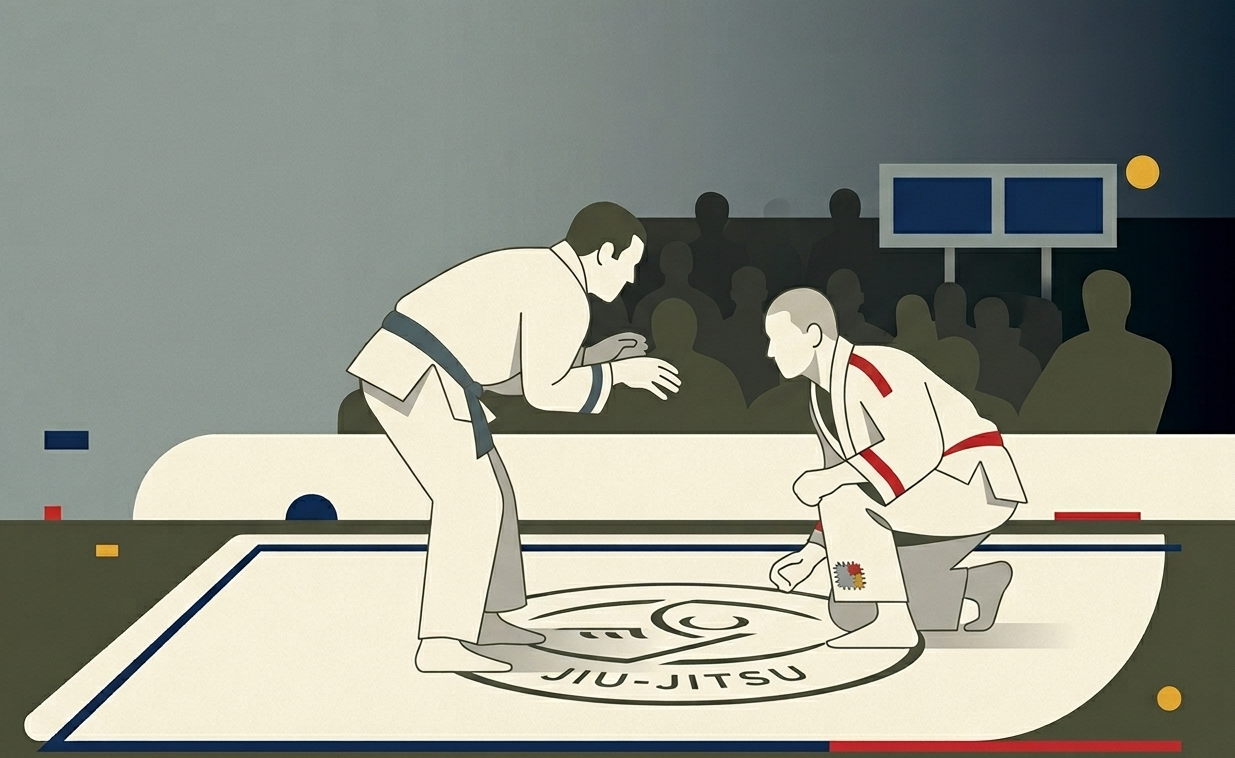
The mats at the old Ralph Gracie academy in San Jose had a certain smell to them, that sharp, acidic smell of a dozen guys trying to break each other in a room with no AC and even less ego.
In the middle of all that humid chaos, Cameron Earle was like a ghost. It wasn't that he was hard to spot, the guy practically lived there, often crashing in his car or right on the gym floor just to be ready for the morning session. It was the way he moved. He was pale and had this technical ferocity that just didn't match the "meathead" energy of the time. While everyone else was relying on pure brawn, Earle was playing a different game entirely.

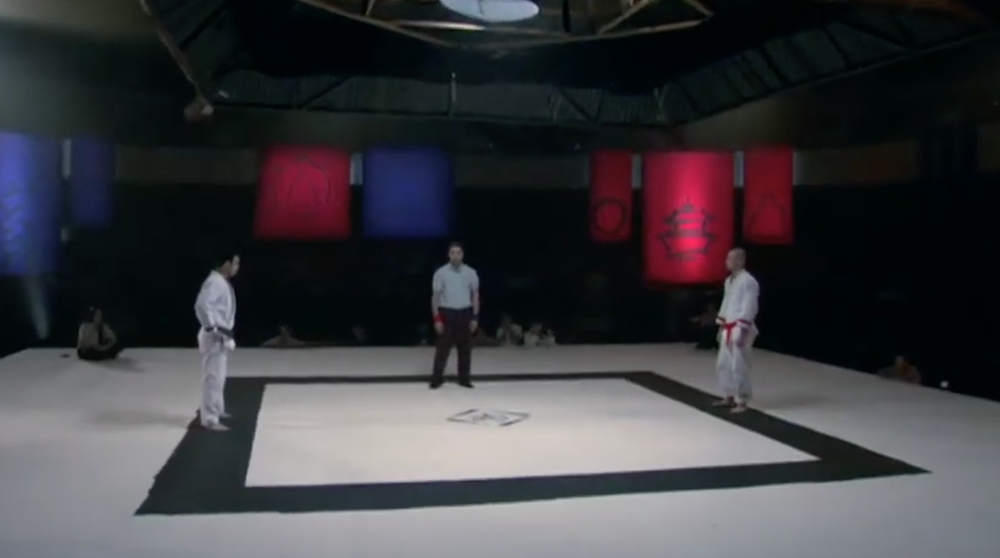
If you look at the history of American Jiu-Jitsu, it’s full of "what ifs," but Cameron Earle is the one that really sticks with you. He’s the guy who beat Marcelo Garcia, and he didn't just do it once, he did it twice.
Records are pretty dry, honestly. They don't really capture the vibe of that gritty NorCal scene back in the day. In the late nineties and early 2000s, the Ralph Gracie team was a straight-up wolf pack. Ralph himself called Earle the "top dog" in that room, which meant you weren't just a good grappler; you were flat-out terrifying. Earle wasn't just doing Jiu-Jitsu as a hobby; he was obsessed with it. He spent his time working security gigs just to pay for a life that was lived entirely inside the four walls of the academy.
From Master to Predator
But there’s a heavy kind of tragedy in watching someone who’s mastered their craft completely lose it once they step outside the gym doors. The grace Earle showed on the mats, that surgical way he could take apart a world-class opponent, just didn't carry over to real life. Instead, all that intensity soured into something dark and predatory.
It started with a woman in a trailer park reporting a man exposing himself from his car, calling out to her with a creepy, "Come here... come here." In another instance, it got brutal. Early one morning around Christmas, a woman setting up a tamale stand in San Jose was jumped from behind. Her head was slammed into the steering wheel and she was stabbed in the arm. In both cases, Earle’s downfall started with the victims themselves. They stayed sharp, caught his license plate number, and one even followed his SUV, leading the cops straight to him.
The final, ugly shift from athlete to predator was sealed on Christmas Eve 2003. While a husband and two kids were sleeping upstairs, Earle broke into a home and held a knife to a mother’s throat as she begged for her life. In a horrific escalation of violence, he sexually assaulted her before locking her in a bathroom. He ended up running off with a coffee pot and some cash, but he left behind something that no amount of technique could fix: DNA in the woman’s hair.
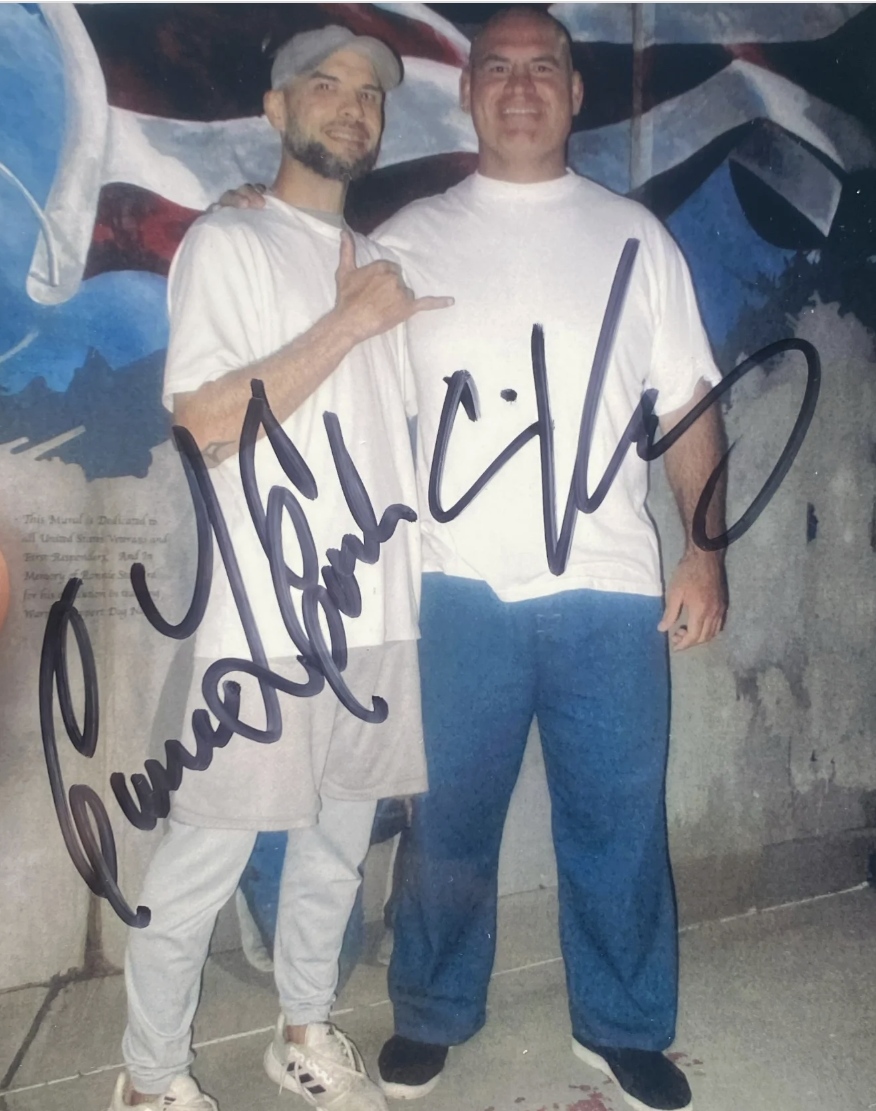
His spiral into the legal system, filled with those dark headlines, eventually landed him the life sentence he’s serving today, a master of the mats now permanently locked away because of the violence he brought to the streets.
The Hollow Victory of the Mats
It’s a jarring contrast. The athlete who should have been the face of American grappling is now just a name whispered on Reddit and in gym hallways as a warning about wasted talent.
We don't talk about these stories to make him a hero. We talk about him because he is the ultimate proof that mastery on the mats doesn't translate to real life. In today’s world of BJJ, where we often mistake a high belt rank or a world title for high character, Earle is a cold reality check. He was one of its most talented pioneers, a guy with such high physical intelligence that it seemed impossible for his personal judgment to be so low.
Wisdom usually turns up in the gaps between the highlight reels, and the real lesson of Cameron Earle isn't found in his winning record against a legend like Marcelo Garcia. It’s found in the realization that the mat is a vacuum; it can provide purpose and a fleeting taste of immortality, but it cannot fix a fractured soul. He remains a shadow over the sport, a reminder of the duality of the art, and that the most dangerous opponent usually isn't the one standing across from you.
Written by