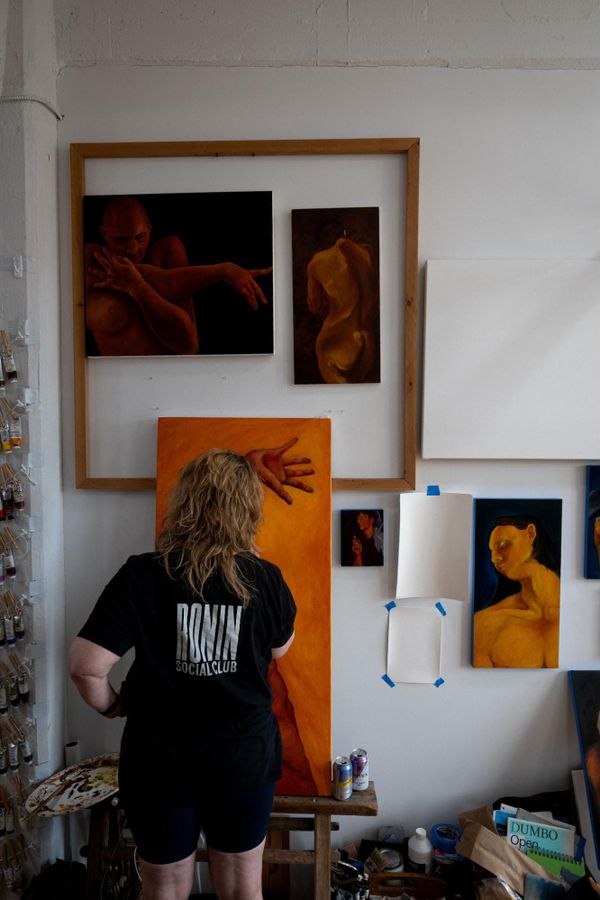
Over two decades on the mats, traveling between academies, and filming world-class martial artists have shaped a unique perspective on grappling culture. Now a Marcelo Garcia black belt based in Dumbo, Brooklyn, Eric Stafford—founder behind Ronin Social—discusses creating a space where Jiu-Jitsu naturally intersects with mid-century design, sashiko craft, and visual storytelling.
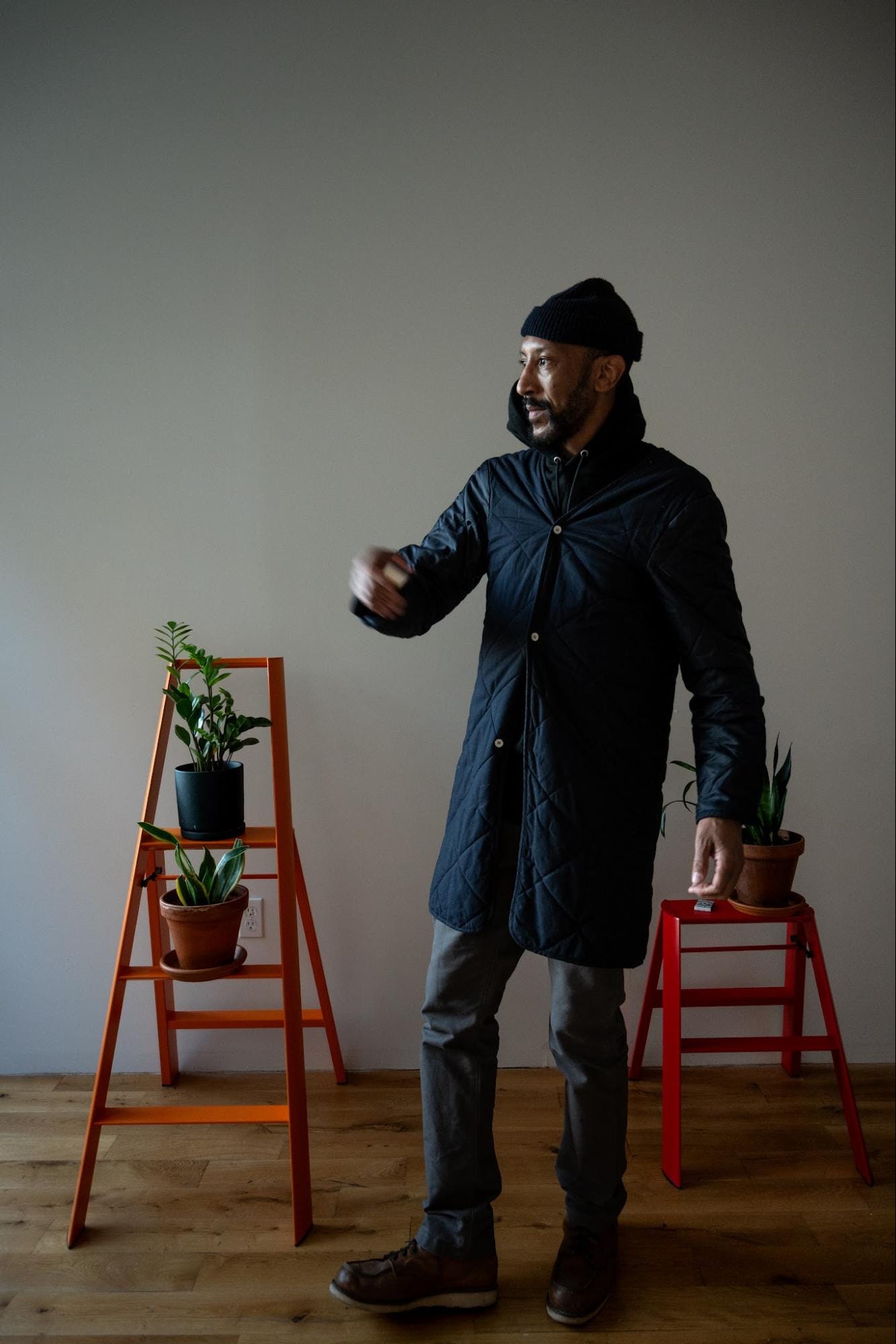
Take us back to the beginning—where did you first step onto the mats, and what was your initial introduction to Jiu-Jitsu?
I was initially practicing aikido until promotions were about to happen. The classes were taught in Japanese and every class I was following the moves of other practitioners because I didn’t understand anything being said. So, I quit immediately, and Maggie (my girlfriend at the time, now wife) brought home a postcard for a trial class at Balance Studios in Philly. She brought it to me multiple times before I finally decided to go, and once I did, I was hooked! It felt like a breath of fresh air because it was less formal than a traditional Japanese dojo. I guess she got tired of me rearranging the furniture!
How long have you been training now, and looking back, how has your relationship with the art evolved from day one to where you are today?
It’s been just over 20 years. It’s wild to think this has been in my life for this long. I was taking online classes and training full time, earning my blue belt in 10 months. I used to be focused on learning specific moves, but my focus gradually switched to an emphasis on fluidity, breath control, and body awareness.
Where do you currently spend most of your time training, and what made that particular gym or room feel like home to you?
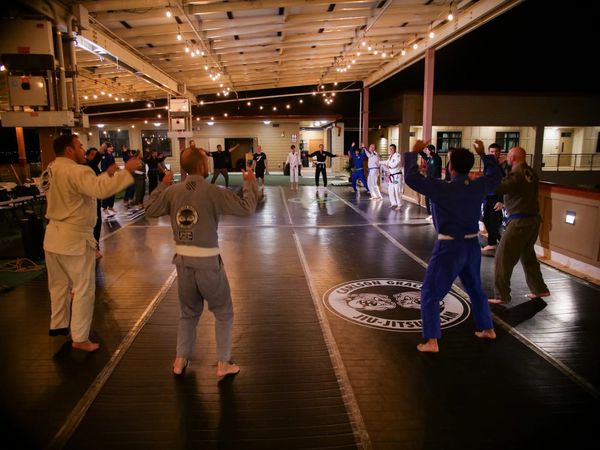
I’ve been back at Marcelo’s for a few years now. It’s my favorite NYC gym—super mellow vibe, excellent instruction, and a very wide range of belt levels to train with. Traveling and training really has honed my vibe detection ability; if I enter a space and feel like it’s Cobra Kai, I’m making a u-turn and high-tailing it out of there!
Aside from everything you're building with Ronin Social, what does your day-to-day look like? Is this your full-time focus, or are you balancing it with other ventures?
Ronin is not my full-time gig. I’m fortunate to have a steady part-time gig that allows me to follow my artistic pursuits. Besides photography, I practice sashiko and boro techniques on gis, and I act in film and TV (Little Brother and The Whisper Man on Netflix).
If you’re at a party and someone asks what Ronin Social actually is, how do you usually explain it to them in a sentence or two?
Ewww, this is always a hard one to answer! But I’d probably say it’s a concept studio that blends art, design, skate, and Jiu-Jitsu.
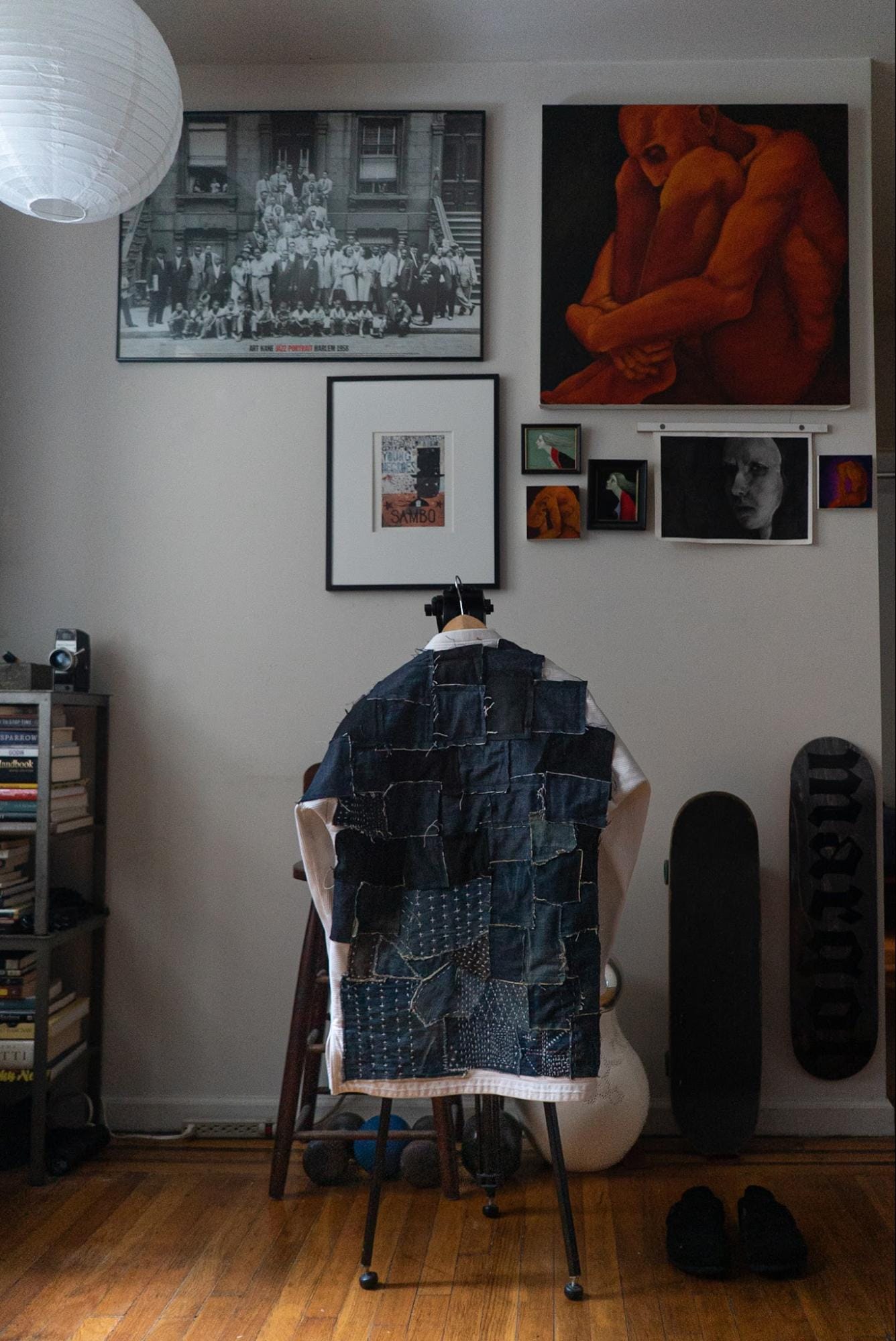
Ronin Social brings together Jiu-Jitsu, photography, and different arts in a very intentional way. What inspired you to build a creative space that bridges martial arts with Scandinavian aesthetics?
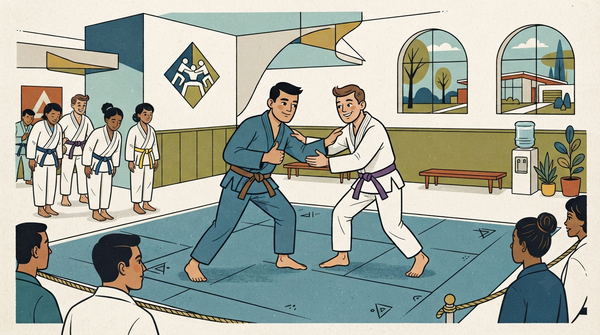
I’ve been to a lot of training spaces over the years and saw the potential in what the spaces could be design-wise. Unfortunately, within the community, the focus was more on just having mats down, and that was pretty much it. I would look at yoga studio designs and wonder why Jiu-Jitsu spaces weren’t as nice when, essentially, they are used the exact same way.
I’d been thinking about this a bunch, and then the pandemic happened and gave me time to think more deeply about it. I started pulling from all of the things around me I was interested in—surfing, skateboarding, coffee culture, mid-century/Scandinavian and Japanese furniture, curated retail items, and other spaces I had visited that inspired me. Originally, we were looking for a storefront that would house a cafe, but due to high lease prices, it became apparent that it wasn’t economically viable to bootstrap a small business in Brooklyn.
The 'Ronin' concept implies independence and carving your own path. How did you end up choosing the name?
Funny enough, that name came from a black belt who said, “You’re like a Ronin—you travel and train everywhere!” Which is funny, because I never intended on bouncing around so much. But when we moved to Brooklyn from Philly, there were limited studios to train at. I was constantly trying to find the right fit, and when I met Marcelo, he didn’t have a gym in NYC yet.
Finally, when he did open one up, I wasn’t in a place financially to train there. I would barter my filmmaking services with Emily Kwok and Hannette Staack’s Jiu-Jitsu camps in exchange for training at Marcelo’s. Oddly enough, the name is far more suited to me than I realized. I never fully embraced the rigid, old-school mentality that was pervasive within the community early on.
Jiu-Jitsu is an incredibly fluid, intimate, and often chaotic martial art. As a photographer, how do you approach capturing the raw art of grappling through the lens of photography and design without losing its authenticity?
Only recently have I considered myself a photographer, because I identified mostly as a filmmaker/documentarian. Once I got over the hurdle mentally of realizing photography and video were both visual mediums, I started having fun!
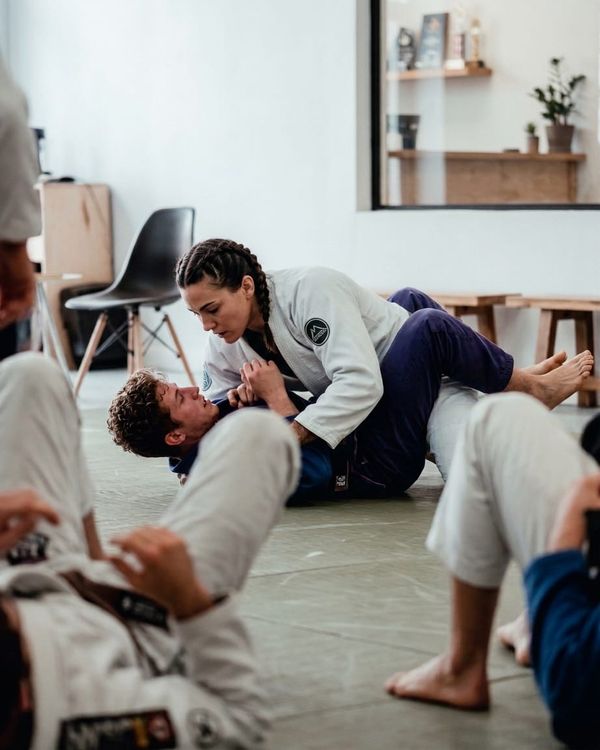
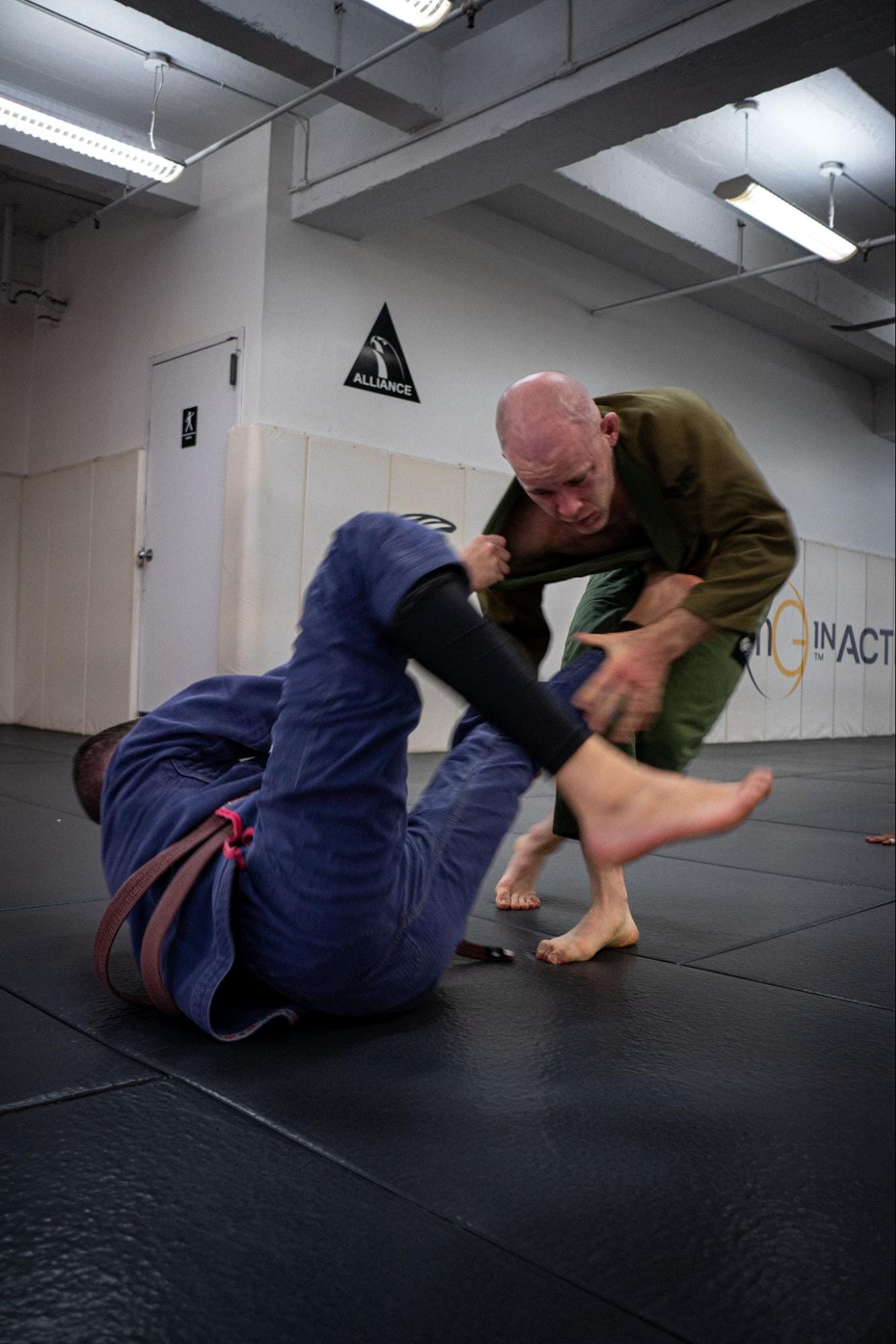
I’ve played with camera settings trying to capture what my eyes were seeing, and came to the conclusion that I just love using a slow shutter. The slower shutter settings help convey the movement during training and, to me, look more artistic. Similar to street photography, I’m trying to capture candid moments in time.
Finding a physical space that matches a specific aesthetic and vision is notoriously difficult, especially for something as niche as this. What was the hunt for the Ronin Social space actually like, and what were some of the biggest hurdles you had to clear to bring it to life?
Retail storefronts in NYC are very expensive. We looked all over Brooklyn specifically because that’s where we reside, and nothing seemed sustainable without an influx of venture capital funds—and we didn’t want to go that route.
We eventually pivoted and decided upon a studio space while still in the pandemic. In the fall of 2025, we finally found a studio in Dumbo, Brooklyn, which is wild because we never thought we would find anything in our price range in that neighborhood.
Looking back at everything you’ve worked on so far, what are a couple of the coolest or most fulfilling creative projects you’ve tackled?
It feels like we’re still in our infancy and trying to find our footing. I do miss the days of documenting camps and sharing the stories of the participants, so I have a feeling that could be a possibility again.
A lot of modern spaces are trying to redefine where people gather outside of work and home. Where do you see the concept of a 'creative combat club' heading in the next few years?
The sky's the limit! Studios are now focused on great interior design aesthetics, graphic design, and community building. If you pay attention, you can see the old scene dissipating and this new one emerging, drawing more people to the sport. It really is like the line from the film Field of Dreams: “If you build it, they will come.”
Looking ahead at the next year or so, what can we expect from Ronin Social, and how do you envision the brand and space evolving over time?
Our mindset is sitting securely in the now, but it would be great to move into a larger studio space: deck it out with some pieces from Lanoba Design (a vintage Danish furniture shop), have an expanded mat area, bring in some curated local retail items, and hold community events like art shows, film viewings, and talks.
You can follow Eric at:
Instagram: https://www.instagram.com/roninsocial
Website: https://roninsocialclub.com/home
Written by