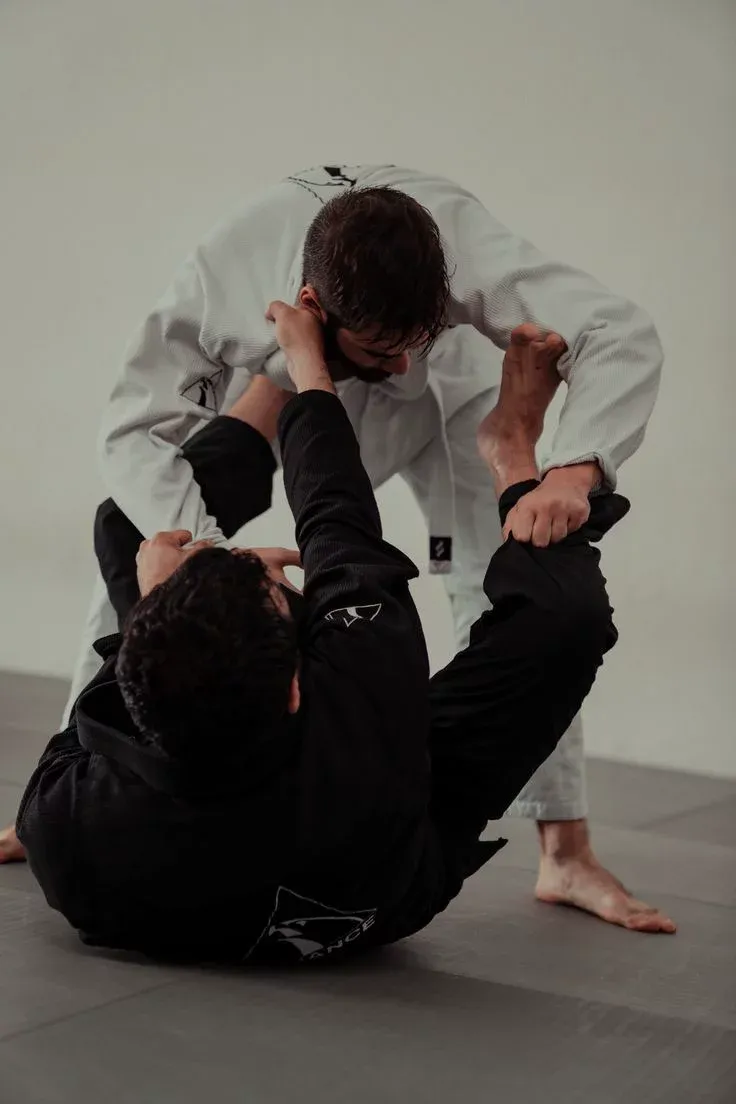
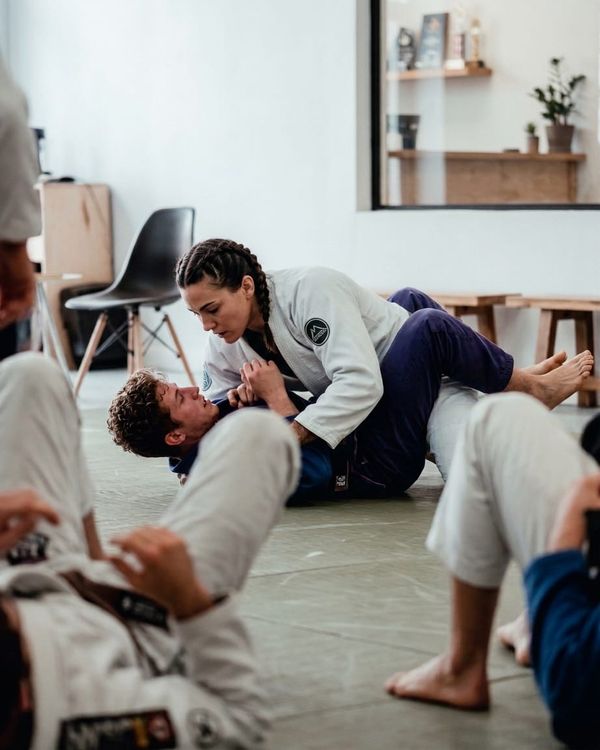
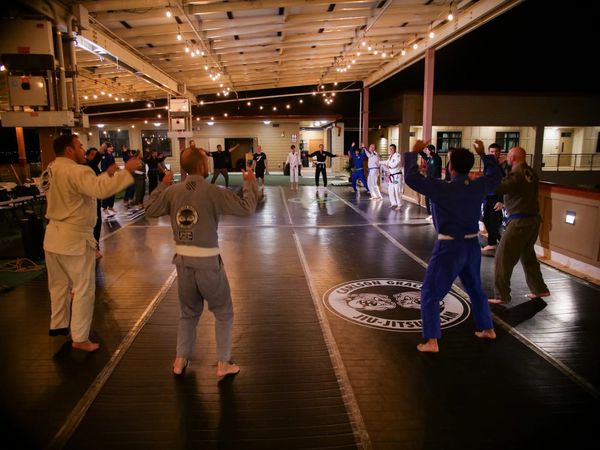
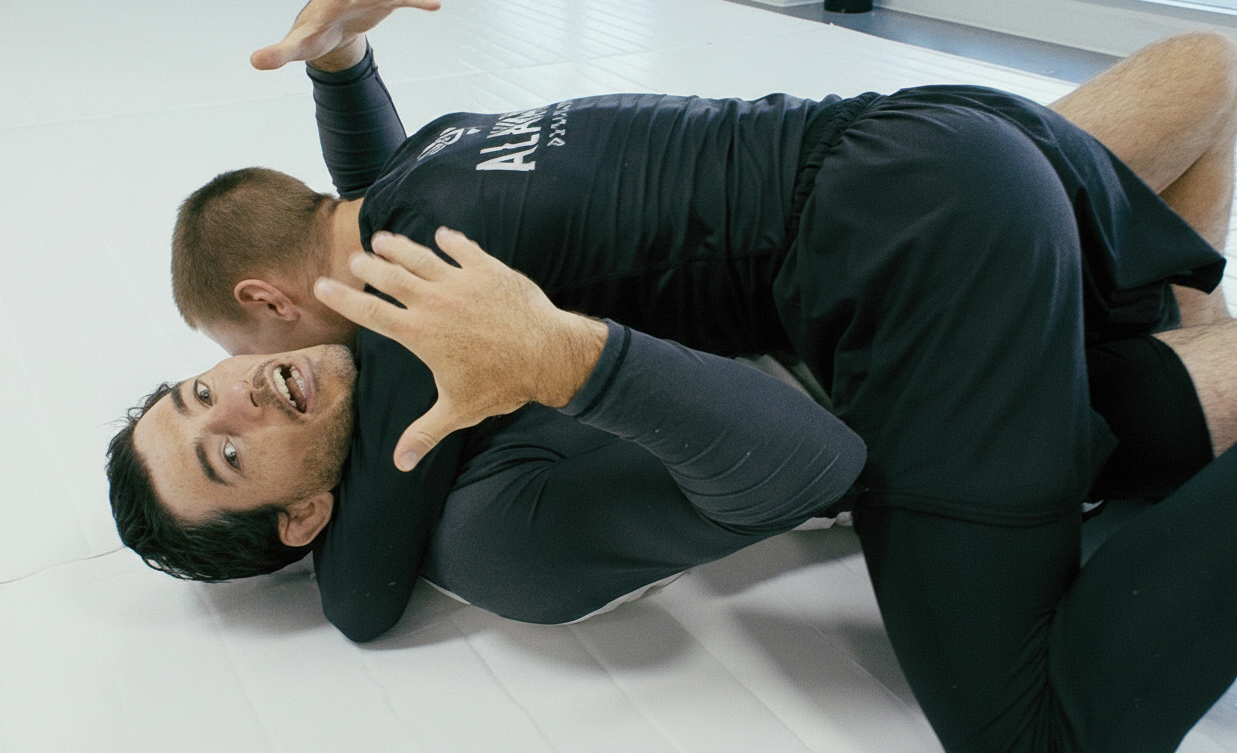
The air in the gym is thick, smelling of a delicate balance of sweat and laundry detergent. You are underneath a training partner who seems to have tripled in weight since the round began. They have the cross-face deep, their shoulder grinding into your jaw, turning your face into the mats. It is the claustrophobia of the half-guard—the feeling of being a human panini.
Most people in this position make the mistake of urgency. They bridge, they heave, they burn through a lungful of air trying to bench-press a redwood. But there is a quieter, more cynical way to play this. It involves inviting the pressure rather than resisting it.
Welcome to the Octopus Guard.
The Origins: "Esquijitsu"
In the early 2000s, while the rest of the Alliance team in São Paulo was perfecting the art of the crushing top game, Eduardo Telles was busy being "weird." His peers called it Esquijitsu. Telles, a black belt under Fabio Gurgel, possessed a high-level indifference to traditional safety. He played from the turtle; he invited the smash.
The Octopus Guard was his gift to the underdog. It is a position of architectural subversion. You don't push the cross-facing arm away; you duck under it. You swim your head through the gap, climb up the opponent's back, and suddenly, the person who thought they were winning the exchange finds you hanging off their spine like a backpack.

The Mechanics of the Scramble
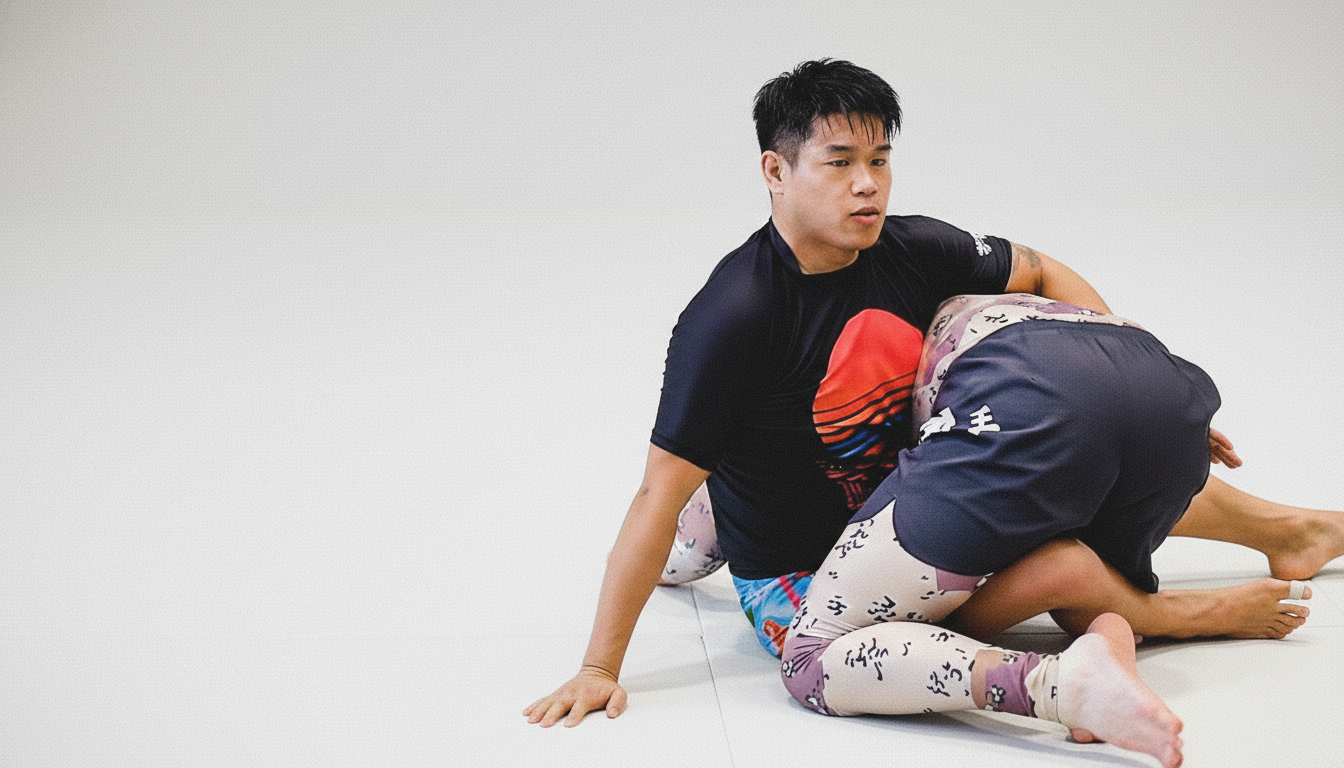
Execution requires a bit of theater. You wait for the moment they commit their weight forward. As the pressure peaks, you shift your hips and "belly down," reaching over their far lat to secure the belt or the armpit.
- The Trigger: Their drive becomes your momentum.
- The Action: Building height. You aren't staying flat; you are sitting up into their space.
- The Goal: A clean path to the back or a sweeping transition that leaves them wondering where the floor went.
It is a thinking person’s game. For the hobbyist, it is a lifeline—a way to survive a younger, more athletic wrestler without needing a vertical leap or a massive deadlift. For the competitor, it is controlled chaos. It forces scrambles and creates opportunities you didn't have.
From the Mats to the Octagon
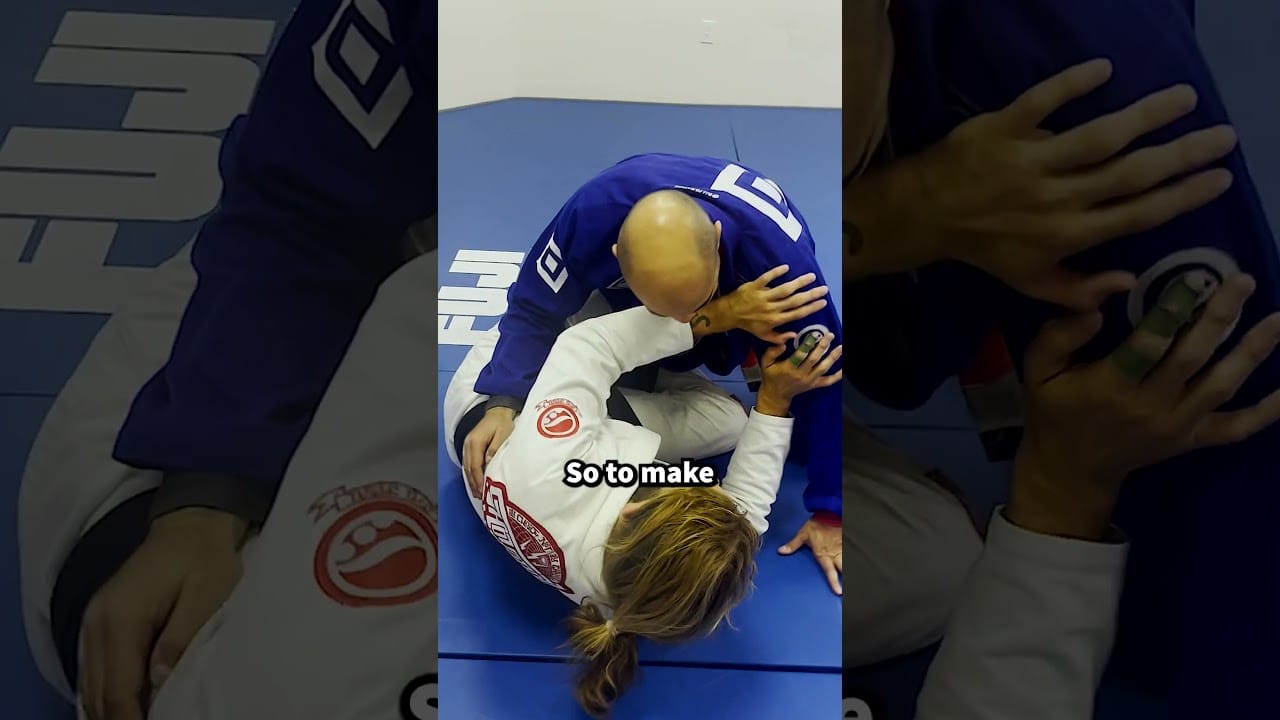
We’ve seen the Octopus migrate. In the UFC, it has become a sophisticated defensive shell. By wrapping the torso tightly, you kill the space required for a grounded opponent to rain down strikes.
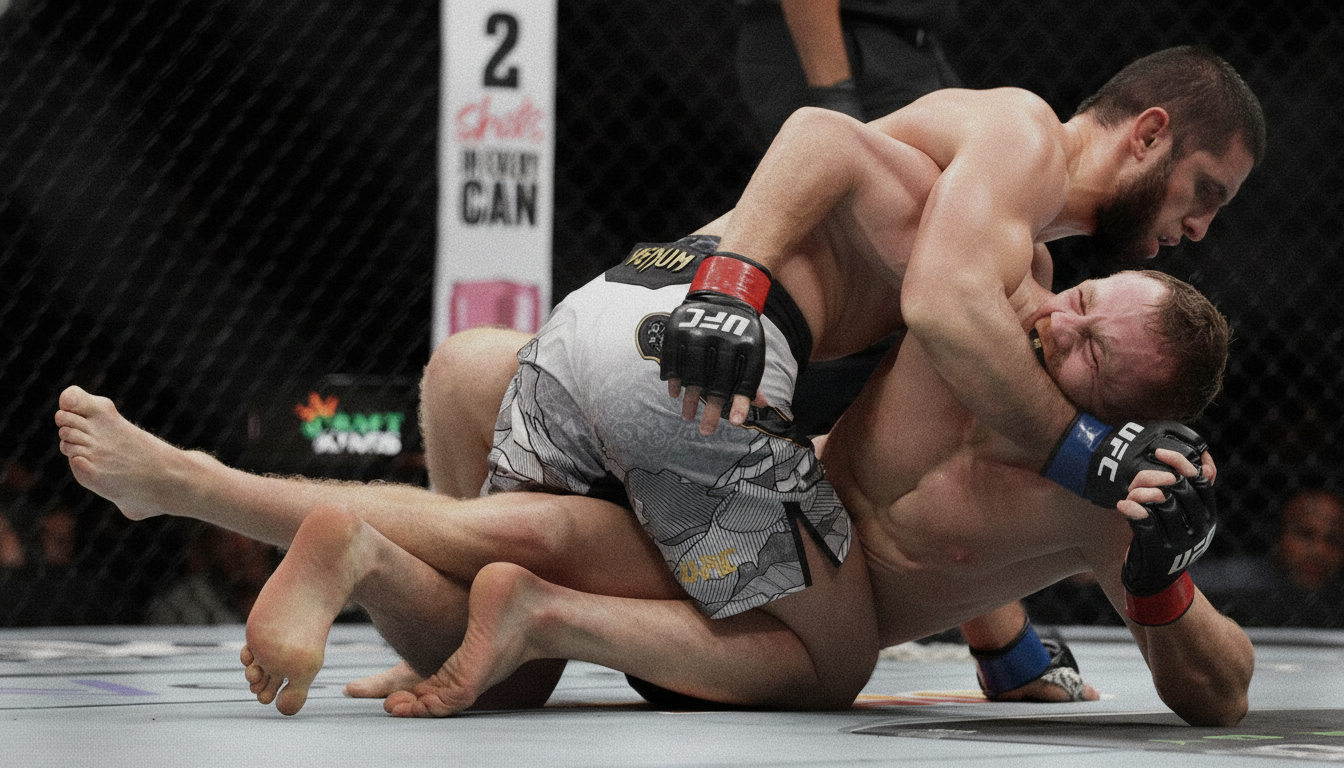
But it isn't foolproof. We saw Jack Della Maddalena try to find this pocket against Islam Makhachev; he couldn't build the necessary height, his hips remained pinned, and the position collapsed. It served as a stern reminder: the Octopus requires a certain freedom of movement. If you are anchored to the floor, you aren't an octopus—you're just stuck.
The beauty of the Octopus Guard is its versatility. While the Octopus Guard is often viewed as a crafty position for hobbyists to catch unsuspecting training partners, it is absolutely a viable, high-level tool for competition grappling and MMA.
The Modern Revival
While Telles built the foundation, the technique has found a new, snarkier life in the hands of modern innovators like Craig Jones. In the world of No-Gi, the Octopus Guard is no longer a "weird" outlier; it is a tactical necessity. Jones uses it to hunt back-takes against the world's elite, proving that a twenty-year-old "lazy" philosophy is actually an innovative offensive system. Even Gi specialists like Adam Wardzinski have integrated it, using the lapels to lace opponents into place before sweeping them into his signature butterfly game.
There is something deeply satisfying about the Octopus Guard. It represents the soul of Brazilian jiu-jitsu: the idea that being on the bottom, flattened and supposedly beaten, is merely a matter of perspective. It turns the "smash" into an invitation.
And in a sport that often feels like a series of solved equations, a little bit of Esquijitsu goes a long way.
Where to Learn More
- Eduardo Telles: Look for his classic instructionals on Turtle and Octopus Guard. He is the architect, and his concepts remain foundational.
- Craig Jones: His instructional materials (often on BJJ Fanatics) frequently feature entries and variations of the Octopus Guard tailored for the modern no-gi game.
- Adam Wardzinski: As a leading Gi competitor, Wardzinski utilizes the Octopus Guard to create leverage through gi grips. He uses the guard to systematically chain into his signature Butterfly Guard.
Written by