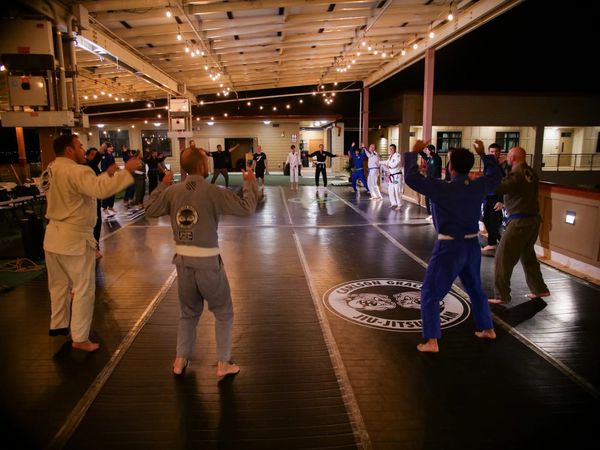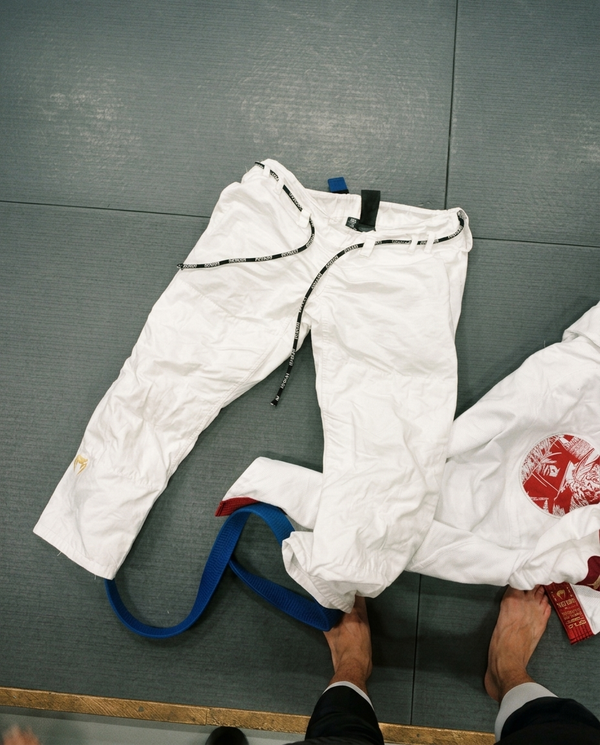
To the uninitiated, they usually see it as a bathrobe with an identity crisis. To the rest of us, the gi is a heavy, starched architecture of discipline. When you slide your arms into those sleeves for the first time on a Tuesday evening, the fabric still stiff from a weekend hang-dry, you aren't just getting dressed. You are armor-plating yourself against the inevitable friction of the mats.
It is a garment that carries the weight of every lost round and every small, hard-won victory. And while the fashion of the sport has evolved, the essence of the cloth remains an anchor to a specific, gritty lineage.
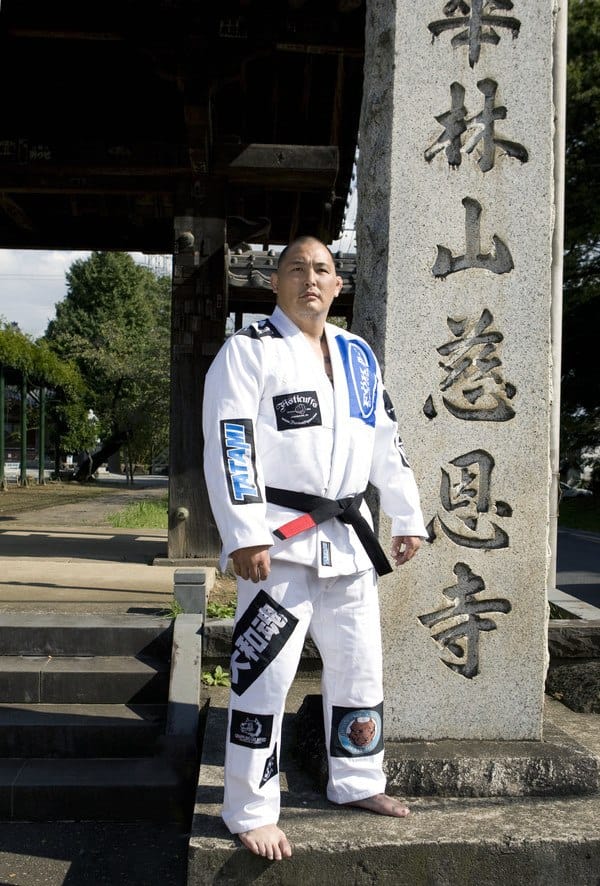
Where It All Began: The Drunken Sailor's Uniform, Almost
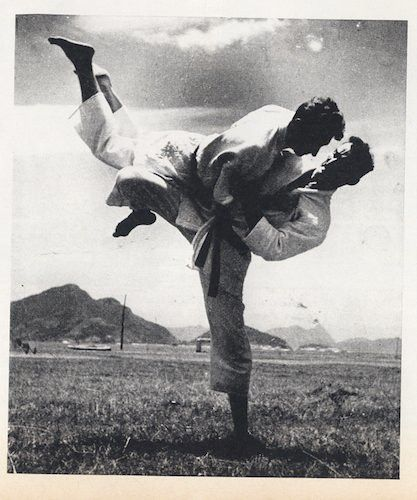
The story doesn’t begin in a sun-scorched academy in Rio, but rather in the calculated, austere world of pre-war Japan. Jigoro Kano, the father of Judo, was a man of utility. He needed a uniform that could withstand the violent physics of a throw without disintegrating in a student’s hands.
The resulting judogi was a rugged, boxy affair. When Mitsuyo Maeda—a traveling judoka with a penchant for prize fighting—eventually found his way to Brazil, he brought this heavy-weave blueprint with him. For the early pioneers of the Gracie family, the gi wasn't a fashion statement. It was a tool of the trade. It was thick, unforgiving, and cut with enough room to facilitate a choke from almost any angle. It was a uniform for a new kind of brutal elegance.
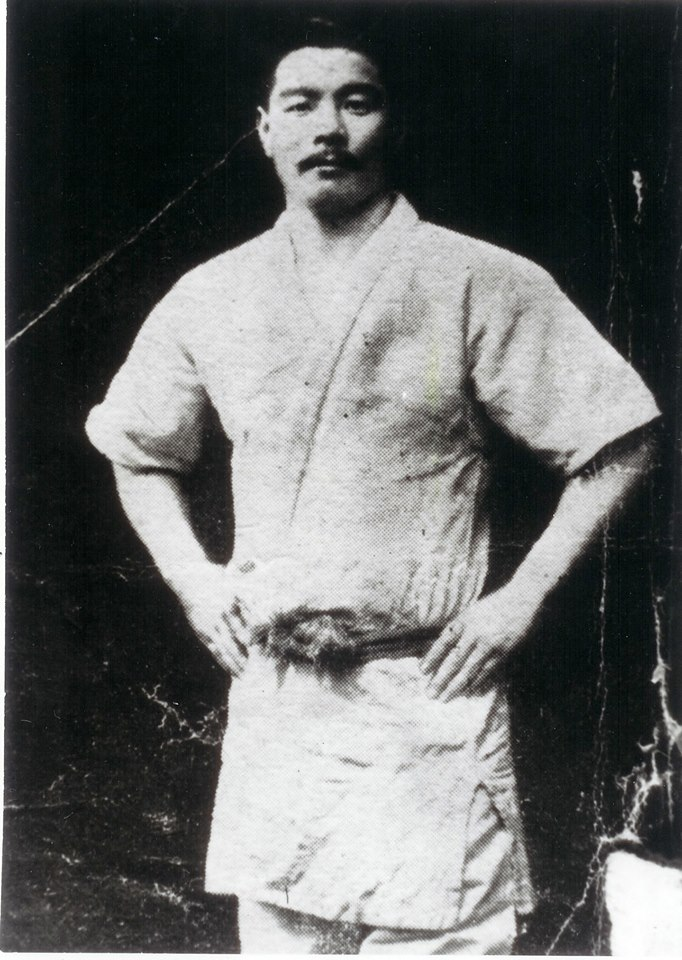
Back then, no one was thinking about thread counts or designer patches. It was pure function, brutal and simple. Durable? Yes. Room to move? Absolutely. Something to grab onto when you're trying to choke the life out of someone? Essential.
The Rise of the Originals: Marks of the Tribe
As the art began to breathe on its own, shedding its Judo skin to become something uniquely Brazilian, the uniform followed suit. We moved away from the "one-size-fits-all" mentality and toward something more personal.
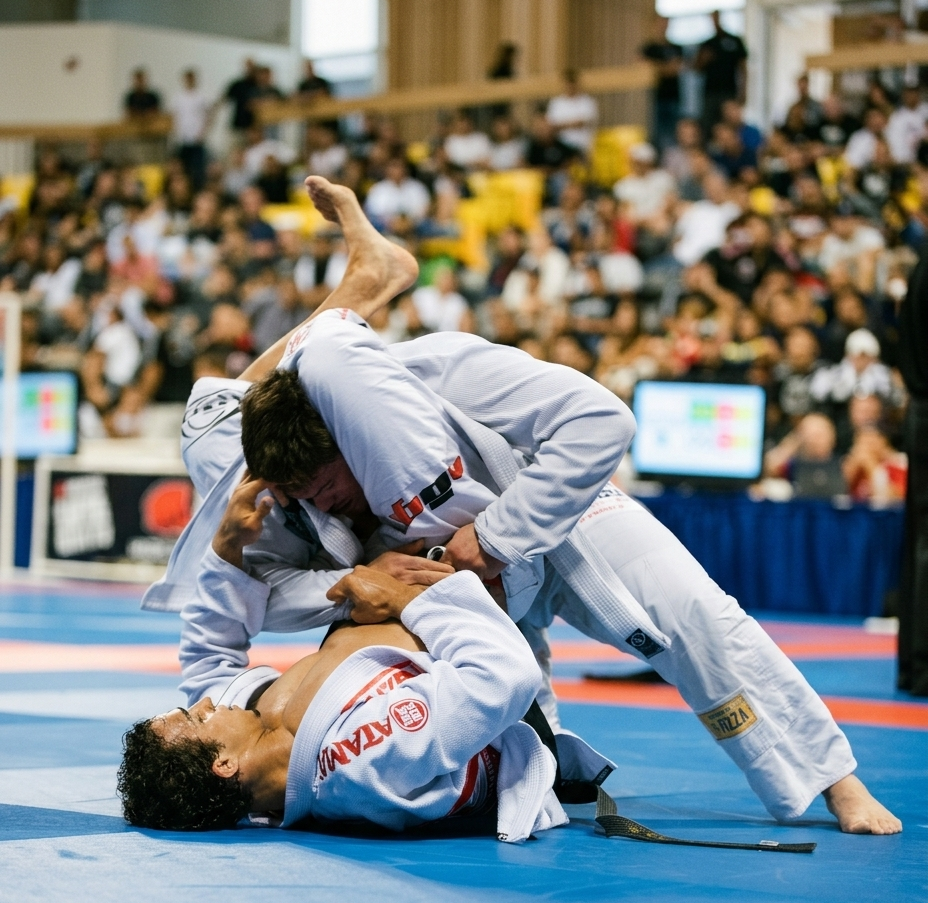
Brands like Atama and Fuji became the quiet dialects of the mat. In the nineties and early aughts, wearing an Atama was a shorthand for seriousness. It suggested you weren't just a hobbyist; you were someone who understood the value of a triple-reinforced seam. These gis were the workhorses of the community. They were designed to be bled on, washed a thousand times, and handed down like a weathered heirloom.
From Battle-Dress to Bespoke: The Gi's Own Evolution
If the early days were defined by a "bigger is better" philosophy, the modern era is one of surgical precision. We have moved from the heavy double-weaves that felt like wearing a carpet to high-tech ripstops and pearl weaves that barely tip the scales at weigh-ins.
- Then: Heavy, baggy, and prone to "shrinkage roulette," where a hot dryer could turn your adult A3 into a toddler’s Sunday best.
- Now: Tailored silhouettes that offer less "handle" for an opponent to grab. We have pre-shrunk fabrics, antimicrobial treatments, and internal linings that look more like street art than athletic gear.
But with this refinement comes a choice. The gi has become a canvas for identity. For some, a minimalist, unadorned white gi is a mark of humility. For others, a limited-edition drop is a way to signal their place in the modern culture of the sport.
The Icons of the Mat
Certain labels have transcended their utility to become symbols of the era. To see a vintage Koral MKM is to be reminded of the mid-2000s dominance of legends like Roger Gracie or Marcelo Garcia. It was the gold standard—clean, tough, and ubiquitous on every podium from Long Beach to Lisbon.
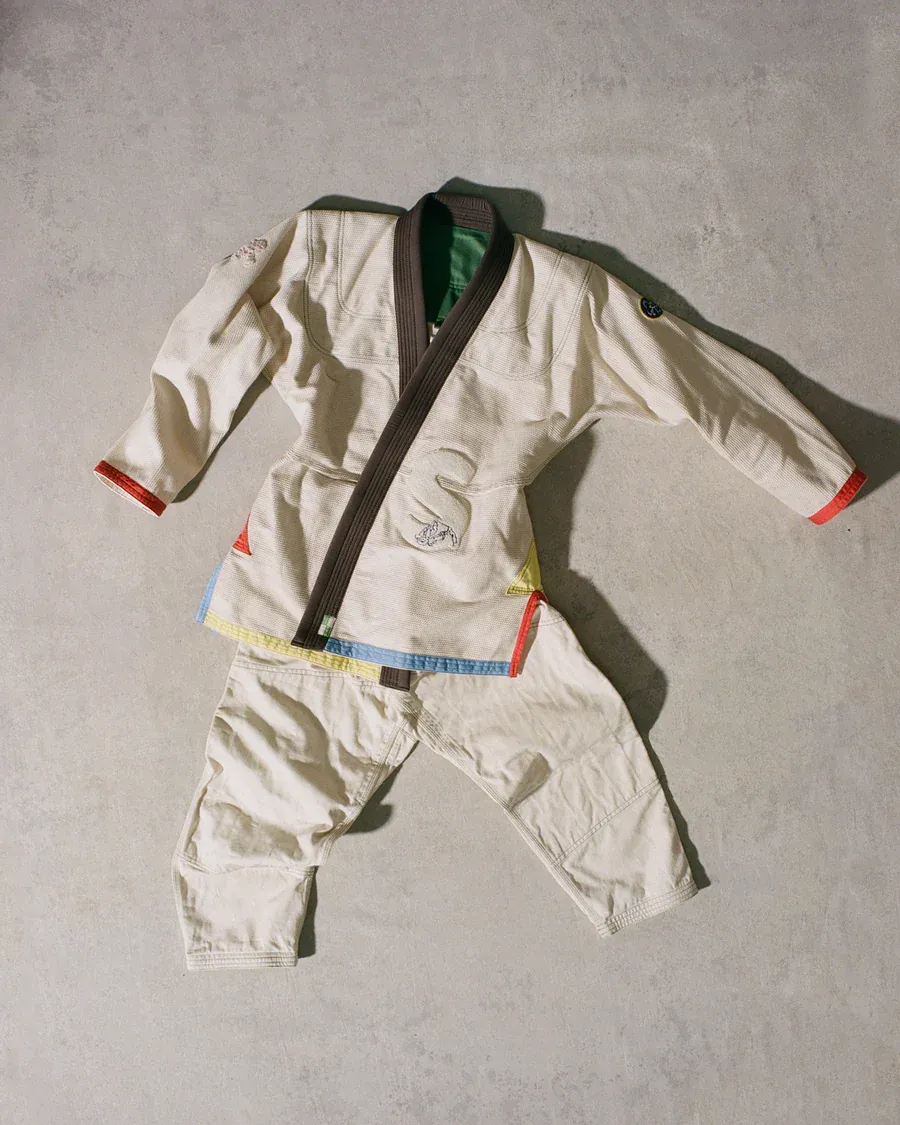
Then there is Shoyoroll. They didn't just change the design; they changed the psychology of the practitioner. By treating the gi as a collectible, a "drop" to be anticipated with the fervor of a sneakerhead, they brought an aesthetic consciousness to the mats that hadn't existed before. It wasn't just about how the gi performed; it was about how it made you feel when you stepped through the door.
A Shared Skin
Why do we care so much about a piece of cotton? Because the gi is the only thing that stays with you. Your training partners will move away, your favorite academy might close its doors, and your joints will eventually protest the pace. But that old, faded gi in the back of your closet holds the memory of every mile traveled on the mats.
It is a link in a chain that stretches from the Kodokan in Tokyo to a humid garage in Rio, and finally to your local gym. It is a living timeline of your progress, a bridge between the white belt you were and the practitioner you’ve become. Every frayed edge and patched tear marks a day you chose to show up.
Whether it’s your first academy gi or a sleek, fancy Shoyoroll, the gi is a silent witness to your evolution. It’s more than just fabric. It’s the story of who you became when things got difficult.
Written by